



Oxford & Cambridge Preparation
Super-curricular development, entrance tests, personal statement and interview preparation for Oxbridge.
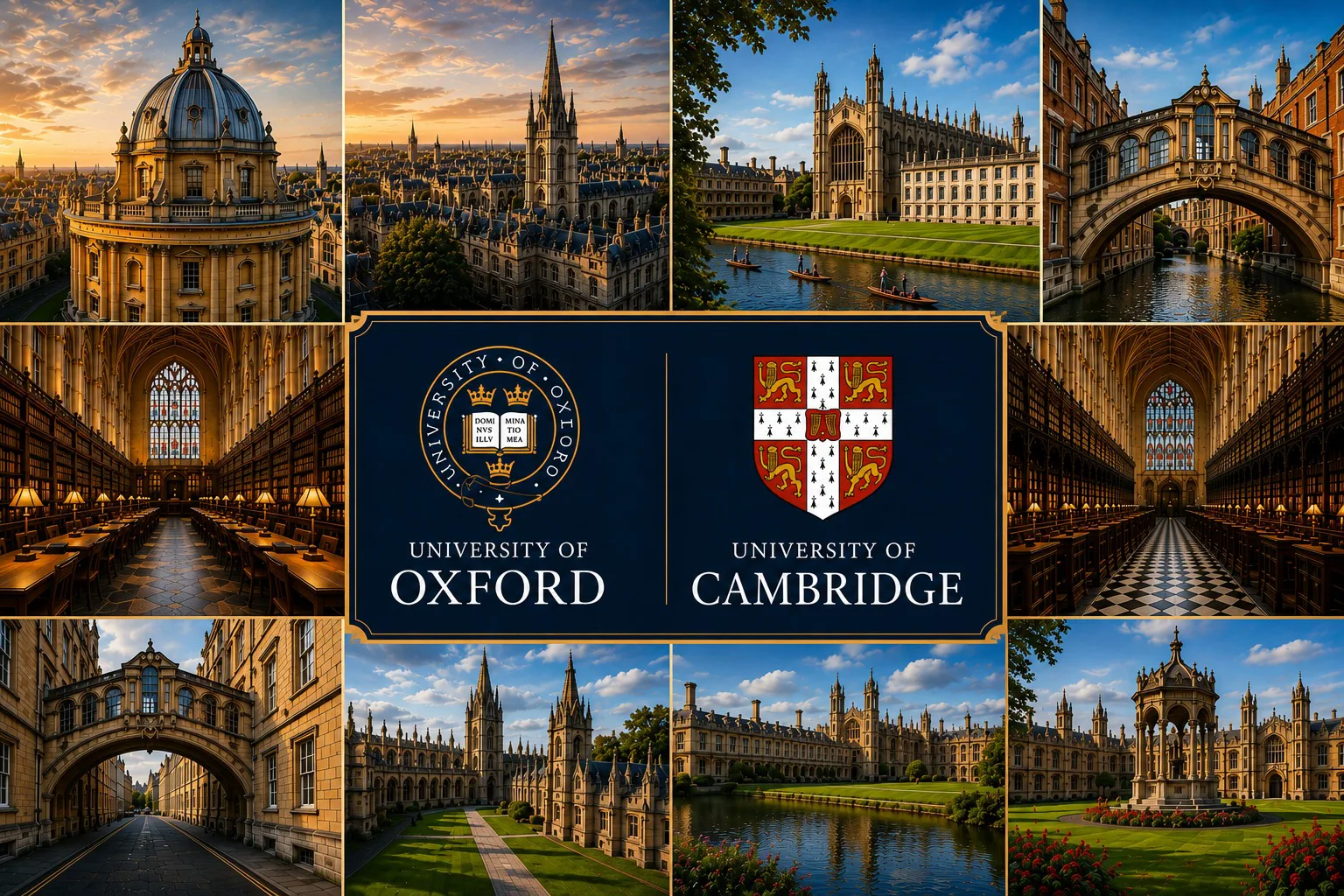
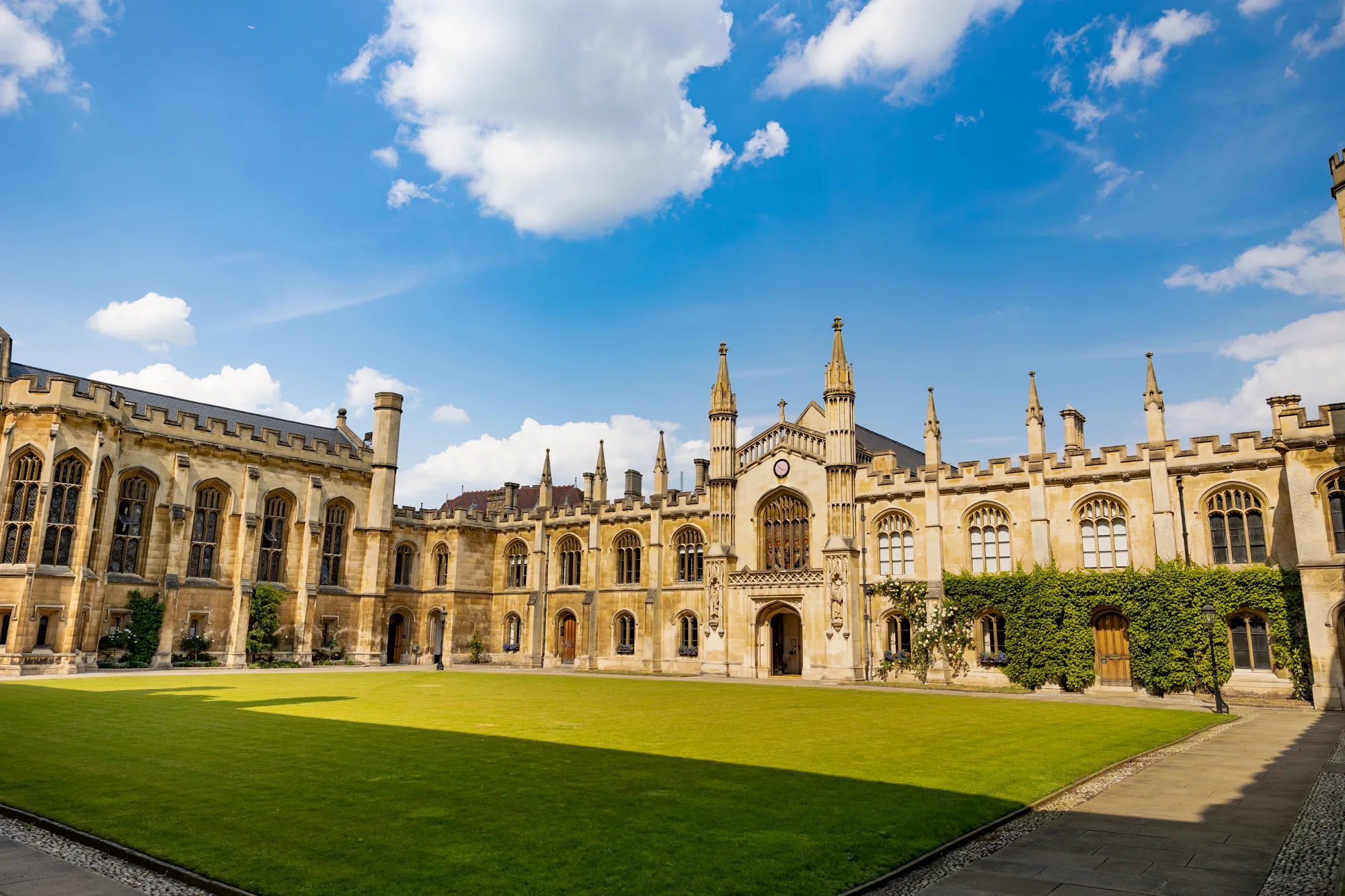
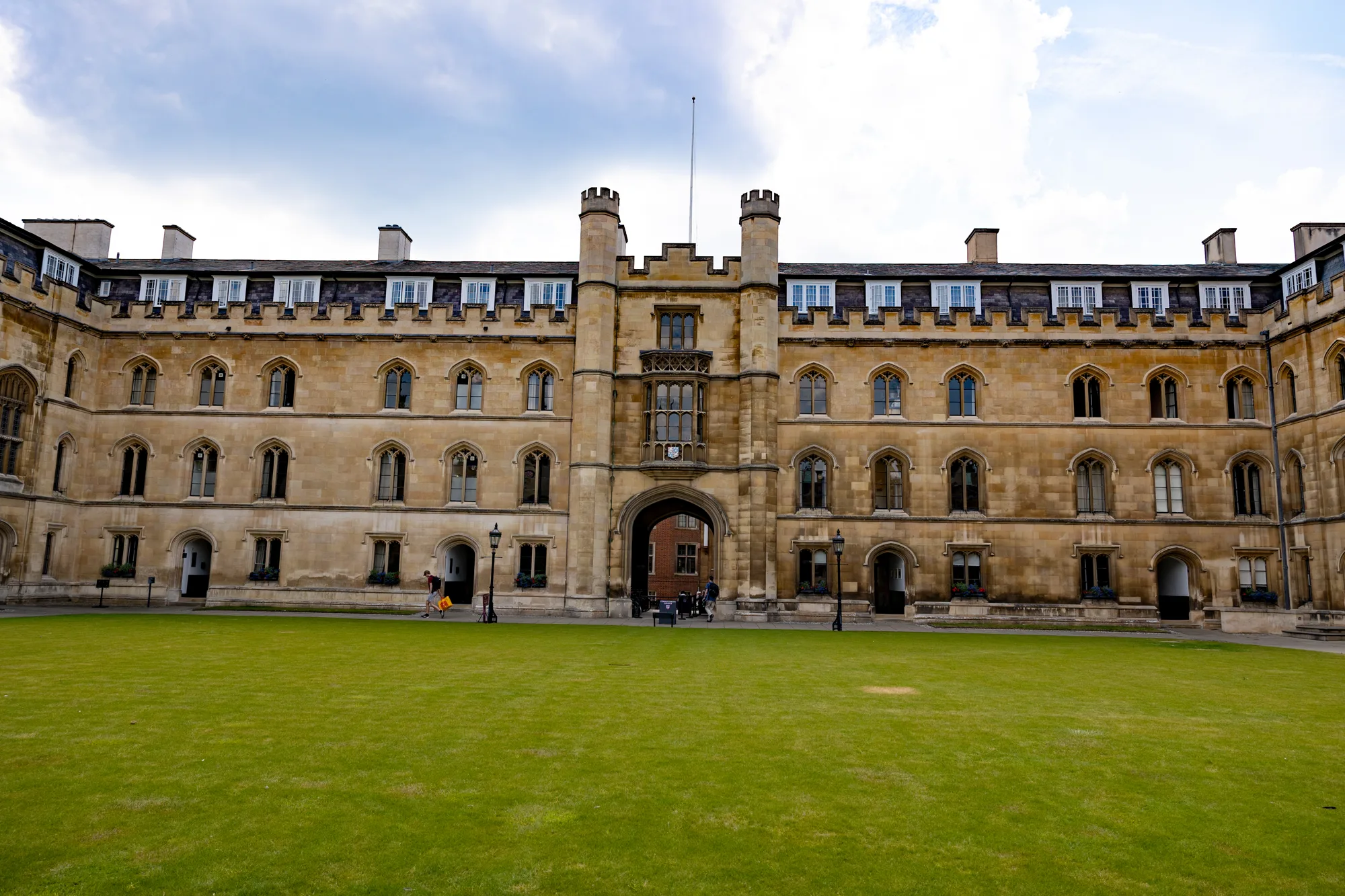
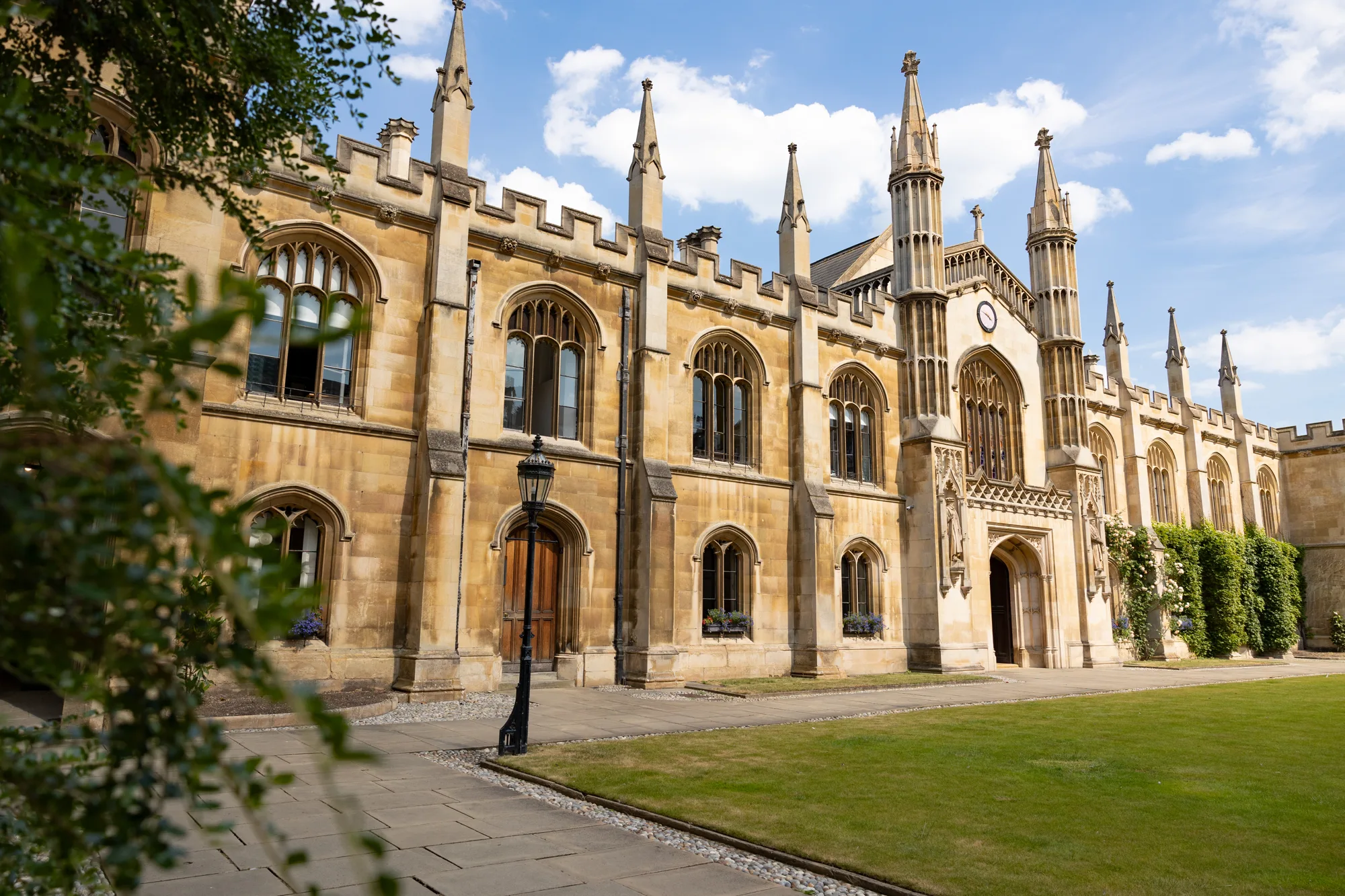
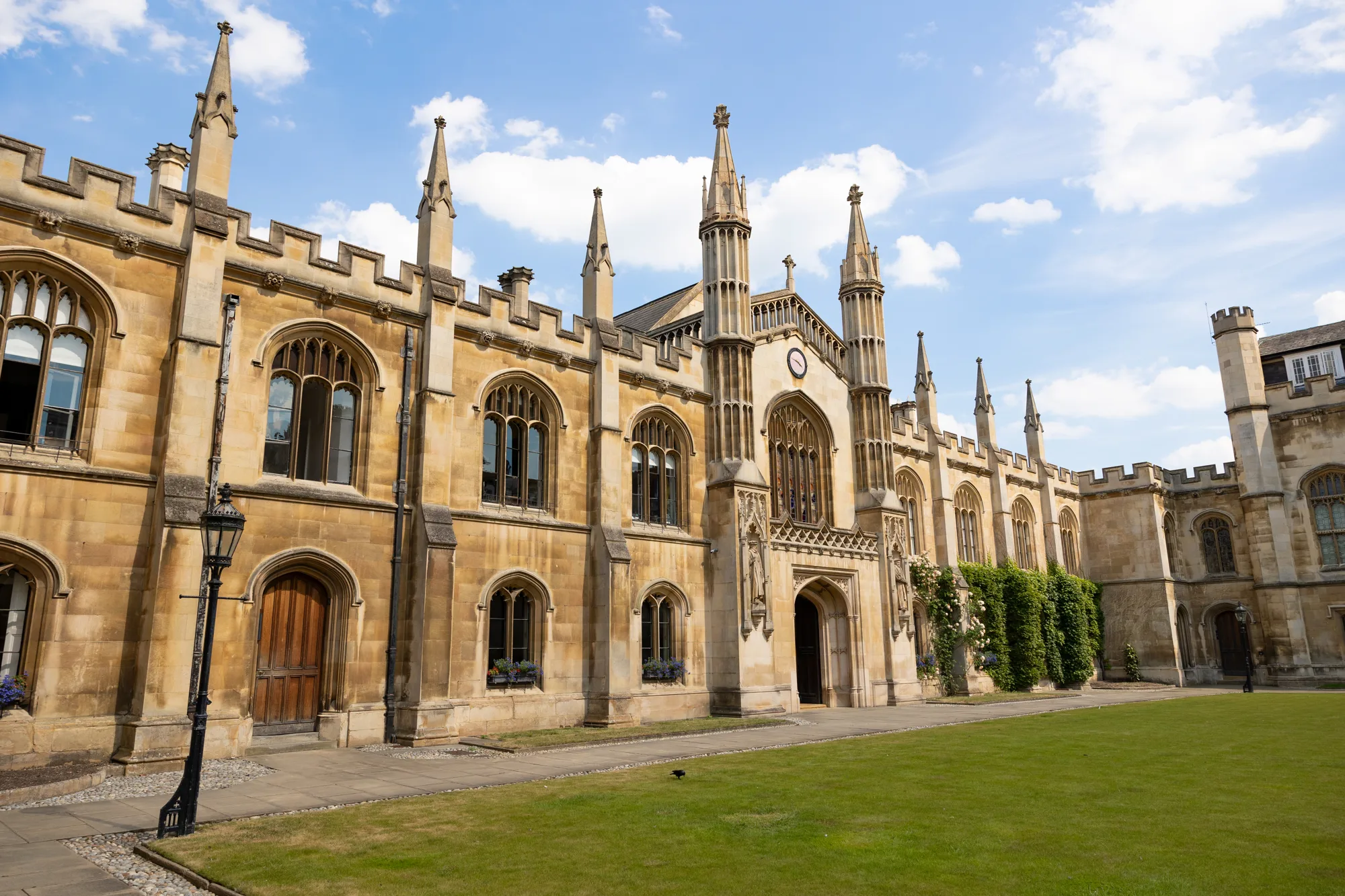
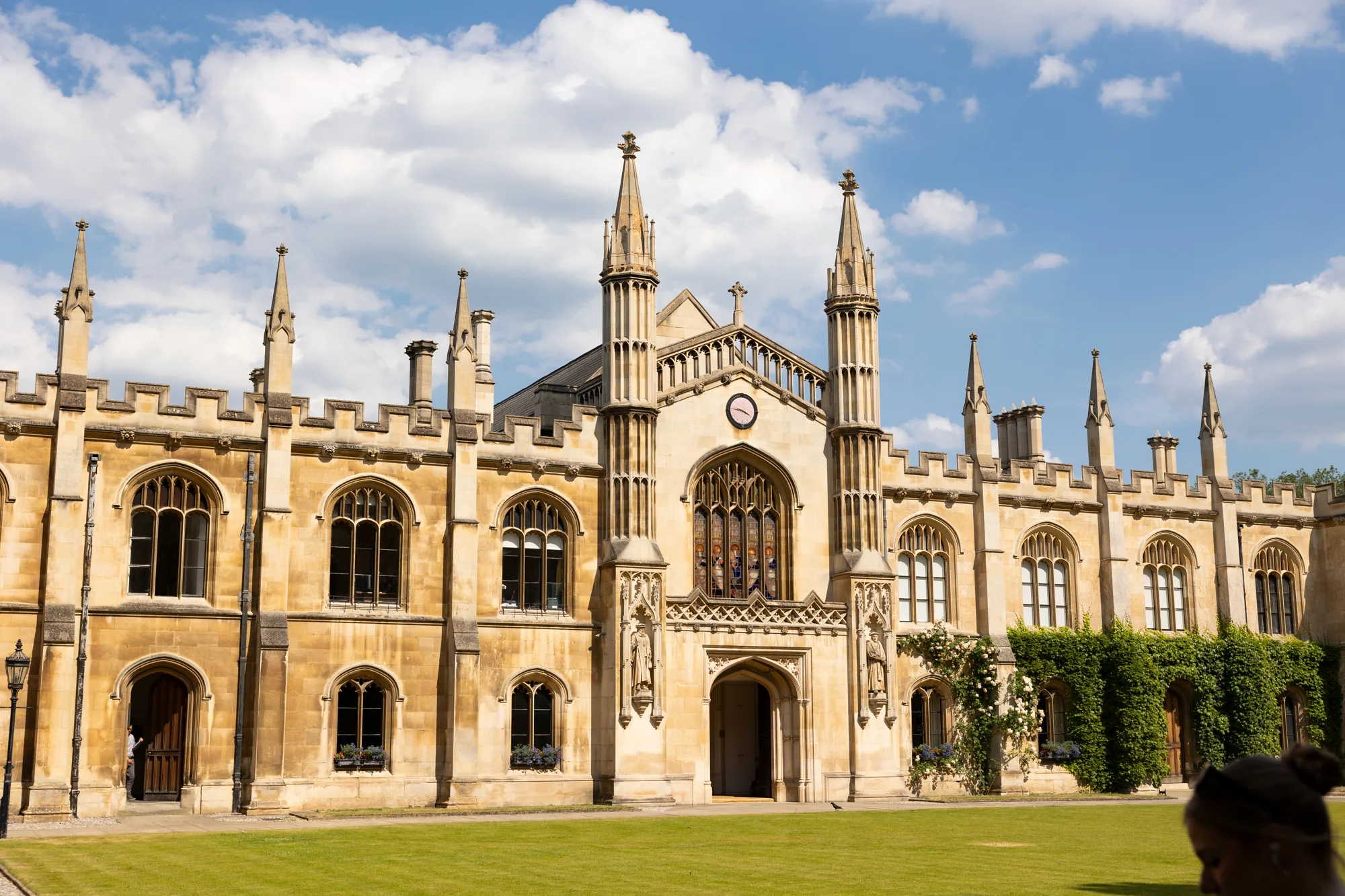
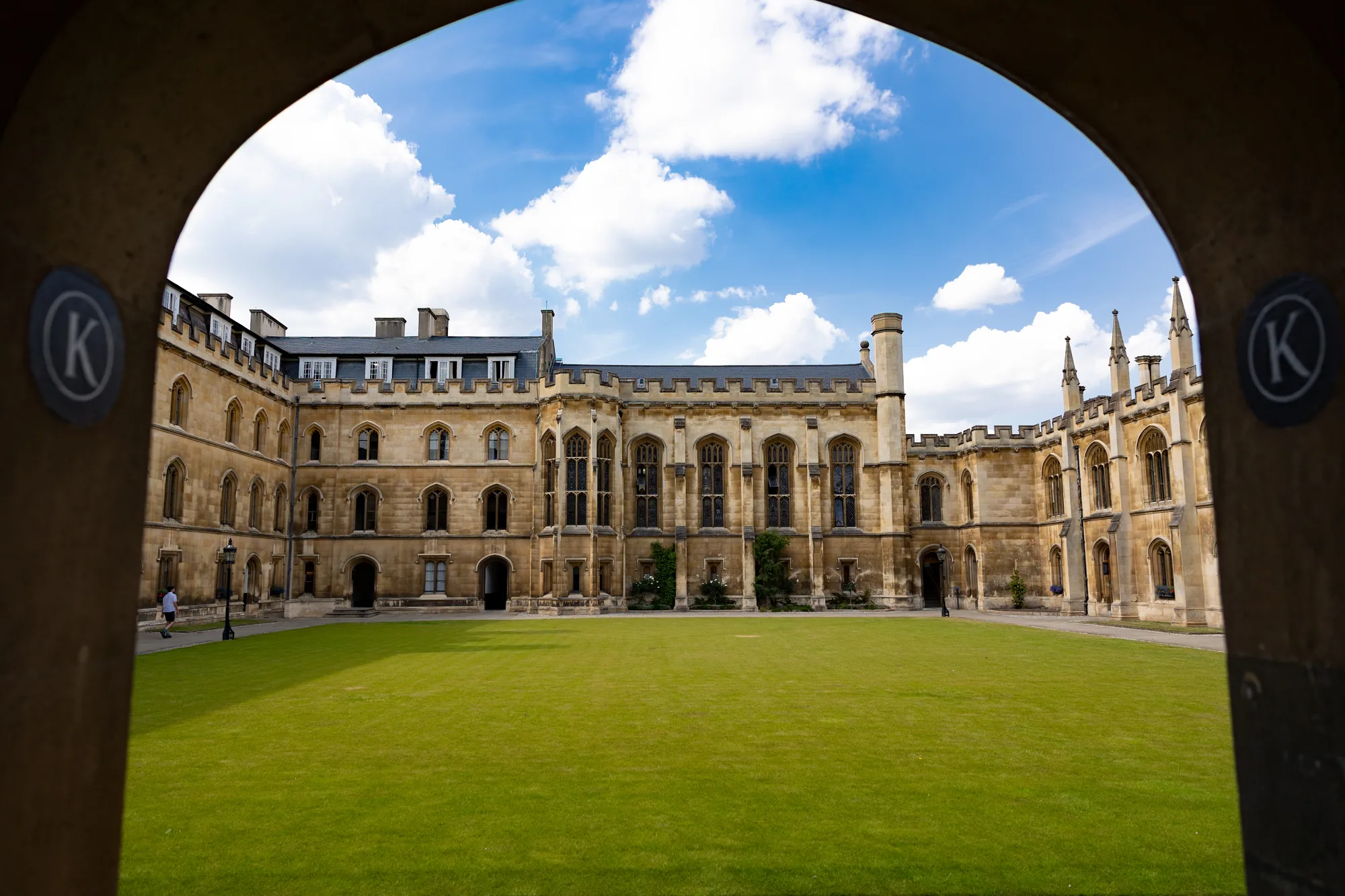
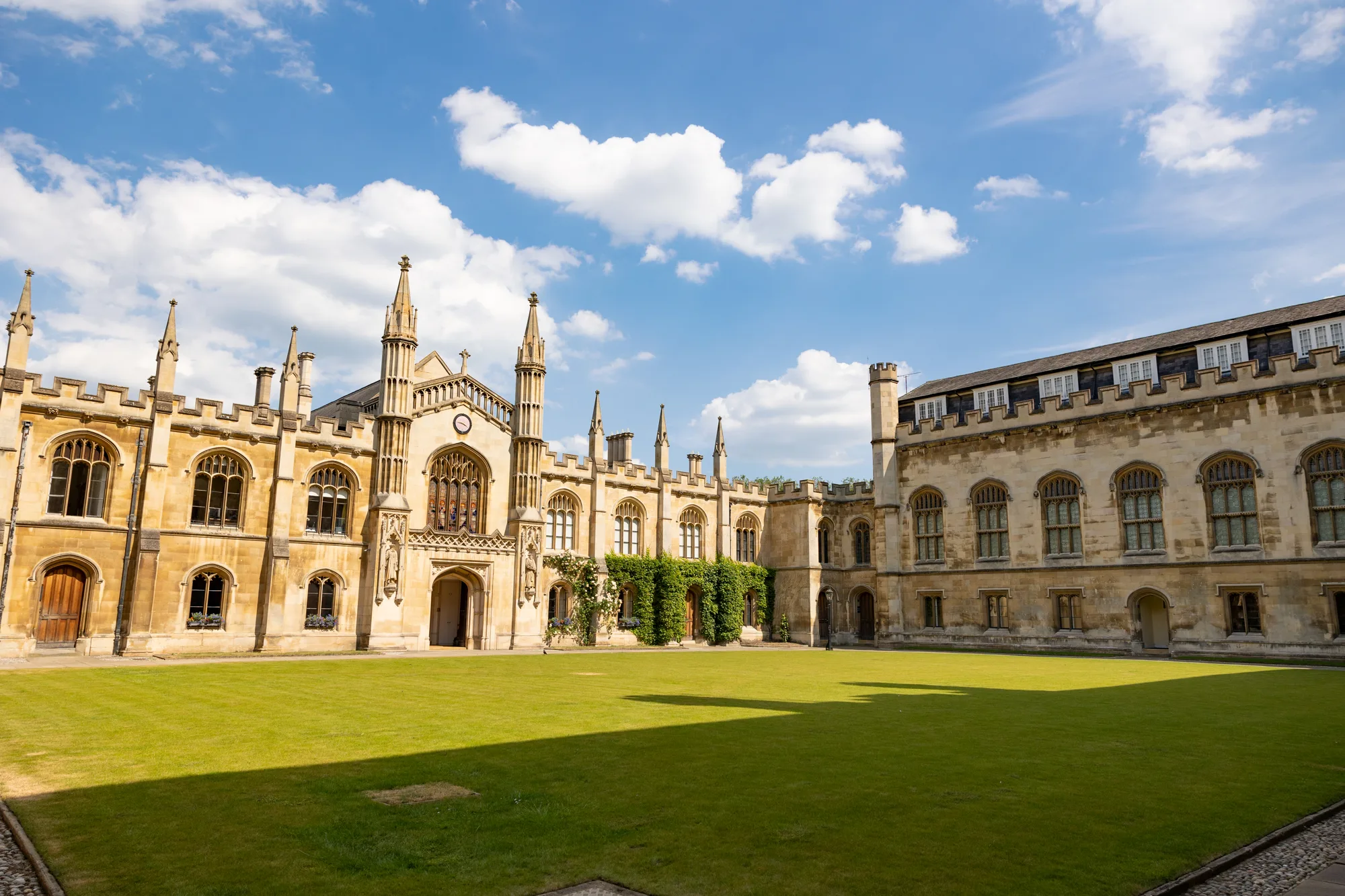
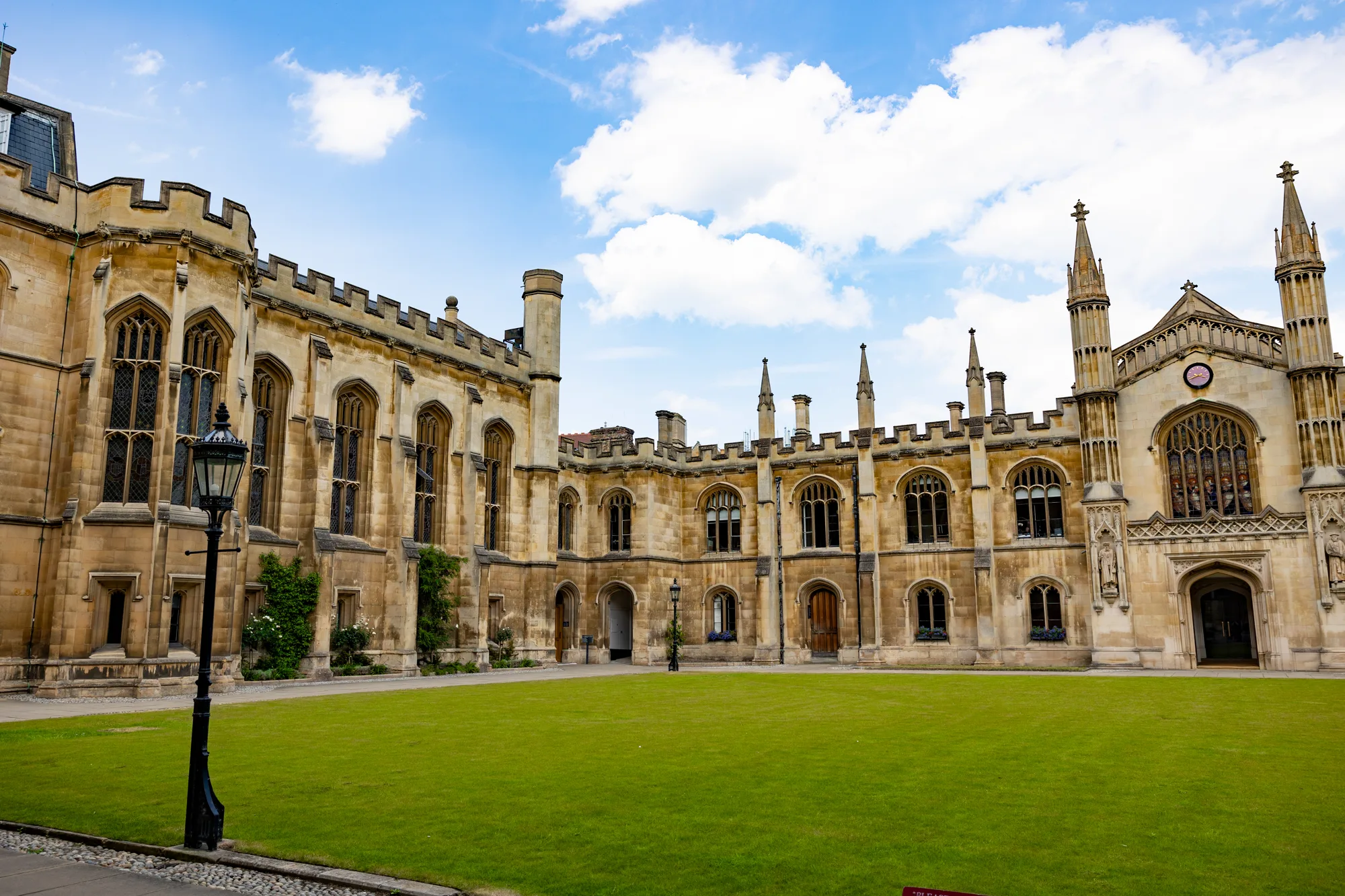
Why Oxford & Cambridge?
Oxford and Cambridge are among the most prestigious universities in the world. Every year thousands of high-achieving students apply, yet acceptance rates remain very low.
A successful application is not only about high grades. Universities evaluate a combination of qualities:
- Academic excellence
- Super-curricular work
- Critical thinking
- Independent research capacity
- Entrance examinations
- Interview performance
Our Acceptance Pathway & Services
A structured, year-by-year roadmap from Year 9 to Year 13 that systematically builds an outstanding Oxbridge profile.
Year 9 (Age 13–14) — Academic Profile Building
Academic Profiling
- Comprehensive academic ability analysis
- Identification of areas of interest
- Long-term university and career planning
- Development of an Oxford, Cambridge and Ivy League application strategy
Intellectual Development
- Critical Thinking
- Logic
- Academic Argumentation
- Informal Fallacies
- Problem Solving
- Socratic Questioning
Reading Programme
- Classical literature texts
- University-level introductory books
- Subject-specific academic reading lists
- Weekly book analyses and discussions
- Introduction to reading and analysing academic articles
Academic Writing
- Analytical Essay
- Comparative Essay
- Reflective Writing
- Academic Summaries
- Paragraph Development
Academic Communication
- Presentation skills
- Academic discussions and debates
- Public speaking
- Developing a culture of intellectual discussion and debate
Competitions
- First essay competition applications
- Initial Olympiad planning and preparation
- Debate and debating competitions
- Model United Nations (MUN)
- Science and mathematics competitions
Academic Portfolio
- Building an academic CV
- Creating a digital portfolio
- Documenting and recording academic achievements
Year 10 (Age 14–15) — Developing Academic Identity
Advanced Reading Programme
- University-level books and texts
- Academic journals and scholarly publications
- Podcasts and lecture series
- Subject-specific advanced reading programmes
Research Skills
- Literature Review
- Academic Integrity
- Referencing
- Source Evaluation
- Evidence-based Thinking
- Introduction to Research Methods
Academic Writing
- Extended academic essays
- Literature Review
- Critical Review
- Book Review
- Research Reflection
Competitions
- Essay Competitions
- Olympiads
- Debate
- Hackathons
- Case Competitions
- Model United Nations
Research Preparation
- Developing research questions
- Formulating hypotheses
- Introduction to data collection methods
- Literature review and source analysis
Leadership Development
- Community Service
- Leadership Projects
- Student Clubs
- Social Impact Projects
AI & Digital Skills
- AI for Research
- Academic Prompt Engineering
- Research Productivity Tools
- Digital Note-taking
Academic Portfolio Development
- Adding initial research projects to the portfolio
- Building an essay portfolio
- Maintaining a reading journal
- Preparing an academic progress report
Year 11 (Age 15–16) — Becoming an Independent Scholar
Independent Research Project
- Research Proposal
- Literature Review
- Methodology
- Data Collection
- Academic Writing
- Final Research Report
- Publication Strategy
Publications & Outputs
- Student academic journals
- Book Reviews
- Policy Briefs
- Research Competitions
- Young researcher conferences
Conferences & Summer Schools
- Oxford
- Cambridge
- Harvard
- Yale
- Stanford
- MIT
- Imperial College London
- LSE
Academic Mentorship
- Mentorship from university academics
- Working with subject specialists and experts
- Research supervision and academic guidance
Advanced Academic Skills
- Scientific Communication
- Academic Presentation
- Research Ethics
- Data Interpretation
Global Academic Profile
- Participation in international academic events and conferences
- Building a global research network
- Developing academic networking skills
Year 12 (Age 16–17) — University Application Strategy
UCAS & Common App Strategy
- Building a university shortlist
- Developing an application timeline
- Conducting a risk assessment
- Designing an application strategy
Admissions Test Preparation
- TSA
- TMUA
- MAT
- PAT
- STEP
- ESAT
- LNAT
- UCAT
- SAT
- ACT
Essays
- Personal Statement
- Common App Essay
- Supplemental Essays
- Scholarship Essays
Research Portfolio
- Publications
- Research projects
- Conferences
- Academic presentations
- Leadership activities
- Community projects
Interview Preparation
- Oxford Tutorial Style Discussions
- Socratic Interviews
- Critical Thinking Interviews
- Mock Interviews
- Panel Interviews
Academic Excellence
- IB/AP academic support
- Advanced university-level reading and study
- One-to-one mentoring with subject specialists
Year 13 (Age 17–18) — Final Preparation & University Transition
Final Application Review
- Comprehensive application review
- Final academic revisions and refinements
- Reference letters and supporting documents
- Final application check and submission review
Interview Masterclass
- Oxford & Cambridge Mock Interviews
- Ivy League Interviews
- Subject-specific Interviews
- Academic Problem Solving
Scholarship Applications
- UK Scholarships
- US Scholarships
- European Scholarships
The Ultimate Goal of This Programme
By the time students graduate, they will not simply be applicants with strong academic grades; they will be candidates who possess:
- A strong and well-developed academic portfolio
- The ability to conduct independent research
- Advanced critical and analytical thinking skills
- Highly developed academic writing and presentation abilities
- Experience in international competitions, conferences, and summer schools
- A proven record of research and leadership activities
- The level of intellectual maturity sought by Oxford, Cambridge, and Ivy League universities
The programme is designed to systematically cultivate the qualities that leading universities value most: academic depth, intellectual curiosity, research potential, and leadership. As a result, students are equipped to submit highly competitive applications to the world's most selective universities.
Student Journey
- Assessment
- Academic Plan
- Profile Building
- Entrance Exams
- Personal Statement
- Interview
- Offer